
CTV Advertising Examples: How Local Businesses Show Up on Streaming TV
A plain-English look at what CTV ads actually look like in the wild — with real examples by business type, what separates a good spot from a forgettable one, and how a local business gets on premium streaming without a national budget.
The short version
- CTV (connected TV) ads are video spots that run inside streaming apps — bought programmatically and targeted to specific households and areas.
- The best examples share one thing: a single clear message, the brand shown early, and an easy next step.
- Local businesses — not just national brands — run CTV by working through a platform or partner that places the spot across premium inventory.
- Pair it with geofencing retargeting and call tracking and you can actually measure what it drove.
“CTV advertising” sounds like something only Fortune 500 brands do. In reality, it’s one of the most accessible ways for a local business to look big — your ad playing on a living-room TV, inside the same premium apps people are already watching. The best way to understand it is to see what it actually looks like, so let’s walk through real-world examples.
First, what is a CTV ad?
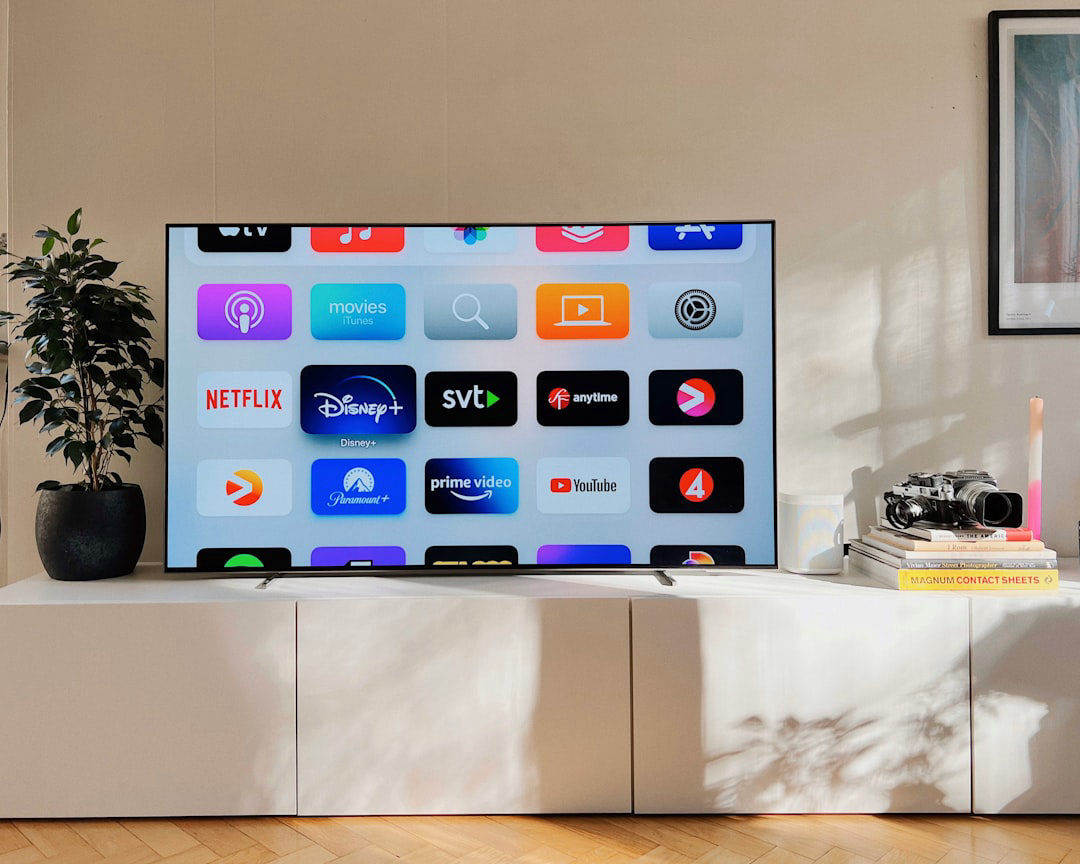
CTV stands for connected TV — any TV streaming content over the internet (a smart TV, a Roku, a Fire Stick, a game console). A CTV ad is a short video spot, usually 15 or 30 seconds, that plays inside that streaming content. You’ll have seen them: the non-skippable spot before or during a show on an ad-supported streaming app.
The difference from old-school TV is how it’s bought and aimed. Instead of buying a time slot and hoping the right people are watching, CTV is bought programmatically and targeted — by geography, household, and audience — so a local business can show its spot only to homes in its service area. That’s what makes it realistic on a local budget.

The airtime was never the hard part for a local business. Having a commercial worth running is. That’s the piece most examples below have in common.
CTV advertising examples by business type
Here’s what CTV looks like across different kinds of local businesses — the goal, the targeting, and the kind of spot that works.
Home services (HVAC, roofing, plumbing)
A 15-second spot before peak season builds name recognition in a zip code — so when the AC quits or the roof leaks, yours is the company they already trust. Targeted to homeowners in the service area, then retargeted with display.
Med spas & aesthetics
An aspirational, visually polished spot that builds the brand and trust an aesthetics buyer needs before booking — targeted by household and interest, then retargeted to anyone who visited the website.
Auto dealerships
A monthly offer or new-inventory spot aimed at in-market car shoppers within a drive radius. CTV gives the big-brand production feel buyers expect from a dealership, locally targeted.
Restaurants & new locations
A mouth-watering spot to announce a grand opening or a new location, targeted to a tight radius around the restaurant — the kind of launch buzz that used to require a TV budget no local spot could justify.
Law firms & professional services
A credibility-first spot — calm, professional, trust-building — running against news and daytime content where prospective clients are watching. Brand recognition is half the battle in a field people choose on trust.
Real estate teams
A polished spot showcasing listings or the team’s brand, targeted to specific neighborhoods and household profiles — positioning the agent as the established name in that market.
What makes a good CTV ad (and a forgettable one)
Across every example above, the spots that work tend to follow the same handful of rules:
- One message. A 15-second spot can land exactly one idea. Pick it.
- Brand early. Show who you are in the first few seconds, not just at the end — some viewers look away before the payoff.
- Built for the big screen, sound-on. Unlike social, CTV plays full-screen with audio. Use it — this is where local businesses can finally look premium.
- One clear next step. A memorable name, a simple URL, or a QR code on screen. Which leads to the thing most people get wrong…
Measurement: the most common mistake
CTV is mostly an awareness channel — people don’t click a TV. The businesses that get it right close the loop another way: an on-screen vanity URL or QR code, geofencing retargeting that follows viewers with display ads, and call tracking so you can see the lift in calls and traffic. Run it blind with no follow-up and it’s impossible to judge. Wire up the follow-through and it becomes measurable.
How a local business actually runs CTV
You don’t buy directly from the networks. Their streaming inventory is sold programmatically, so you run campaigns through a platform or a managed partner that’s plugged into that inventory. A full-service approach looks like this:
That’s exactly how we run it — produce, place, retarget, and report — so a local business gets a big-brand presence on a local budget.
Want to see what your spot could look like?
We produce the commercial, place it across premium streaming, and retarget with geofencing — a big-brand presence on a local budget.
See how CTV advertising works →Frequently asked
Are CTV and OTT advertising the same thing?
They’re closely related. OTT (over-the-top) refers to the streaming content delivered past traditional cable; CTV refers to the connected TVs and devices it’s watched on. In practice, people use the terms almost interchangeably for “video ads in streaming.”
Can a small business actually afford CTV ads?
Yes — because you only pay to reach the households you target, not a whole national audience. It does need a real monthly budget to deliver enough reach to matter, but it’s far more accessible than traditional TV ever was.
How do you measure CTV advertising?
Through reach and impressions, plus the follow-through: on-screen QR codes or vanity URLs, geofencing retargeting, and call tracking that shows the lift in calls and site visits during and after the campaign.