
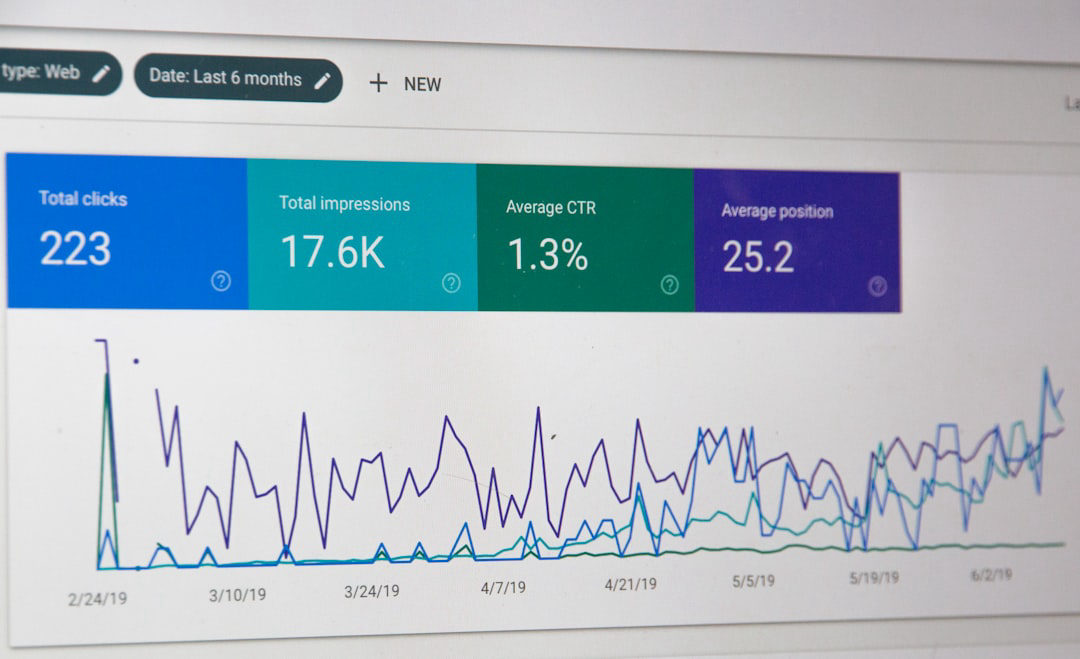
How Long Does SEO Take for a Local Small Business?
Everyone says "SEO takes 3–6 months" but nobody explains what that actually means for a local plumber, med spa, or law firm. Here's a plain-spoken look at realistic timelines, what moves the needle, and when SEO isn't the right call.
The short version
- For most local businesses, the first measurable SEO results (ranking movement, more profile views) appear in 60–90 days — not overnight, and not years.
- Google Business Profile and technical fixes tend to move fastest; organic content rankings typically take 3–6 months to stabilize.
- SEO is worth it when you have a repeating need (people search for your service regularly) and you can wait for compounding returns — it's a poor fit for one-off events or razor-thin margins.
- "SEO is dead" is a recurring headline that keeps being wrong. Organic and AI-driven search still sends the majority of web traffic to local businesses.
How long does SEO take to work for a local small business — the honest answer
If you’ve Googled this question yourself, you already know the frustrating answer most agencies give: “It depends.” That’s technically true, but it’s not useful. So here’s a more specific breakdown based on what typically happens in practice for local service businesses.
The biggest variable isn’t time — it’s the starting condition of your site and Google Business Profile. A business with zero existing SEO work, a thin website, and an unclaimed profile will see faster early wins than one that has accumulated technical debt over years of neglect. Either way, you’re not looking at years before anything happens, but you are looking at months before the traffic compounds into something meaningful. Starting with a free SEO audit can tell you exactly where your biggest gaps are right now, so you’re not guessing.
What actually moves first — and what takes longer
Fast movers (weeks, not months)
- Google Business Profile: Filling out every field, adding photos, correcting your category, and fixing your service area can show up in impression data within a few weeks of Google re-crawling your profile.
- Technical fixes: Broken pages, missing title tags, slow load times, and duplicate content are crawl blockers. Fix them and Google can index the right pages faster.
- Schema markup: Structured data helps search engines understand what your business does — it won’t shoot you to page one overnight, but it lays groundwork for rich results.
Slower movers (3–6+ months)
- Content-driven rankings: Service pages and blog content need time to be discovered, indexed, and evaluated against competing pages. For most local markets, meaningful movement on content pages takes at least three months of consistent publishing.
- Domain authority / link equity: Other sites linking to yours is still one of the strongest ranking signals. Earning those links is rarely quick unless you’re actively creating something genuinely useful (the kind of content journalists or other local businesses want to reference).
- Competitive local pack positions: If three strong competitors have held the top map pack spots for years, displacing one of them takes sustained effort — not a one-month sprint.
The businesses that get the most out of SEO aren’t the ones who started first — they’re the ones who kept going consistently after month three when results were still quiet.
Is SEO still worth it for a small business in 2025–2026?
For most local service businesses — HVAC, home services, dental, legal, real estate — the answer is yes, but with conditions. SEO is worth it when:
- People in your area are already searching for what you do (demand exists, you just need to capture it).
- You can sustain the investment for at least four to six months before expecting a clear ROI signal.
- Your average customer value is high enough that even a handful of new clients per month justifies the cost.
- You want an asset that keeps working even when you stop actively paying per click — unlike paid ads, which go dark the moment the budget does.
High-intent local searches — “emergency plumber near me,” “family law attorney Santa Clarita,” “HVAC repair [city]” — still convert at a rate paid traffic often struggles to match, because the searcher already decided they need help. Law firms in California are a textbook example: the searches are high-intent, the lifetime client value is significant, and ranking organically can pay for years of SEO investment from a single case. The same logic applies across many local verticals.
When SEO is probably not the right move
SEO is a poor fit if any of these apply to your situation:
- You need leads in the next 30 days to keep the lights on — Google Ads will get you there faster.
- Your service is genuinely one-off or event-driven (nobody searches for it repeatedly).
- Your margins are so thin that a few extra customers per month won’t meaningfully move the needle.
- Your website is severely broken, has penalties, or has a toxic link profile — those need to be resolved before SEO work compounds in your favor, not against you.
Home Services Example
A local HVAC company in a mid-size market that fixes technical issues, optimizes its Google Business Profile, and publishes one solid service page per month can realistically move from invisible to the local pack in its primary city within four to six months — and hold those positions with far less ongoing spend than running ads for the same keywords every day. For businesses exploring this path, HVAC-specific lead generation strategies are worth understanding before choosing a channel.
Is SEO dead now that AI is everywhere?
This question comes up constantly, and the short answer is: no. AI Overviews in Google and tools like ChatGPT have changed how some searchers find information, but they haven’t eliminated local search intent. When someone needs a plumber at 9pm or a dentist who takes their insurance, they’re still searching — and the businesses that show up in maps, in organic results, and increasingly in AI-generated answers are the ones with the strongest SEO foundation.
In fact, AI search results often pull from the same authoritative, well-structured local content that traditional SEO has always rewarded. Being visible in AI-driven answers is increasingly part of what modern local SEO services focus on, not a replacement for it. The tactics evolve; the underlying principle — earn Google’s trust by being genuinely relevant and authoritative — doesn’t.
The keyword angle most small businesses miss
One of the counterintuitive findings in local SEO is that the most glamorous, high-volume keywords are often the hardest to win — and the winnable ones are frequently just as valuable in terms of what a click is worth to your business. Slightly longer, more specific phrases that your competitors haven’t bothered to target can drive the same quality of lead as the obvious head terms, just with less competition standing in the way.
This matters for timeline too: targeting realistic, winnable keywords from the start means you’re likely to see ranking movement inside three months rather than grinding for twelve months on a term dominated by national brands with enormous link budgets.
The question isn’t just “how long does SEO take?” — it’s “how long does it take when you’re targeting the right keywords for your actual market position?” That gap is where most small business SEO either wins or quietly fails.
What a realistic SEO plan looks like for a local business
Without overcomplicating it, most successful local SEO efforts follow a common pattern:
- Month 1: Fix what’s broken technically, claim and fully optimize the Google Business Profile, establish baseline rankings.
- Months 2–3: Build or improve core service pages, add location-specific content, set up rank tracking.
- Months 4–6: Publish consistent content targeting winnable local questions, build citations, monitor and respond to reviews.
- Month 6+: Iterate based on what’s ranking, expand to nearby service areas, earn links from local press or community sources.
The businesses that see the best outcomes treat SEO as an ongoing channel, not a one-time project. It compounds — a page that starts ranking in month four can drive leads for years without additional spend, which is a dynamic that almost no other marketing channel offers at the local level.
Curious about Law Firm SEO California Personal Injury Family Law?
See how AgencyFix approaches Law Firm SEO California Personal Injury Family Law and whether it is the right fit for your business.
See how Law Firm SEO California Personal Injury Family Law works →Frequently asked
How long does SEO take to work for a local small business?
For most local businesses starting from scratch, you can expect to see the first meaningful signals — increased Google Business Profile impressions, small ranking movements — within 60 to 90 days of consistent work. More significant organic traffic and lead flow typically develops between months three and six. The timeline shortens when you target realistic, winnable keywords rather than trying to compete with well-established national or regional players from day one.
Is SEO still worth it for a small business?
For most local service businesses, yes — especially when average customer value is high and people in your area are already searching for what you do. The core advantage of SEO over paid ads is that rankings, once earned, keep working even when you're not actively spending. That compounding effect makes it one of the better long-term investments for businesses that can sustain a few months of build-up before seeing clear ROI. It's a poor fit if you need leads immediately or your margins are very thin.
Is SEO dead now with AI?
No — this has been declared every few years and keeps being wrong. AI tools and Google's AI Overviews have changed the format of some search results, but local search intent is very much alive. When someone needs an HVAC tech, a dentist, or a personal injury attorney near them, they're still searching. Businesses with strong, well-structured local SEO are also the ones most likely to show up in AI-generated answers, so a good SEO foundation now serves both traditional and AI-driven search.
Does SEO even matter anymore for local businesses?
Yes, and arguably more than it used to for local businesses specifically. The local map pack and organic results remain primary discovery channels for high-intent, near-purchase searches. Unlike social media, where visibility depends on an algorithm you don't control, or paid ads, where you stop existing the moment the budget pauses, organic search rankings are an asset you own. The businesses that consistently show up for relevant local searches tend to build a durable lead advantage over time.
Is SEO still relevant in 2026?
Yes. The tactics shift — AI search visibility is now a real part of any complete local SEO strategy — but the fundamentals remain: Google and other search engines still route enormous volumes of high-intent local traffic, and businesses that are findable, trustworthy, and relevant to their local market win more of it. The bar for quality has risen, which actually helps small businesses willing to invest in genuinely useful content and a well-optimized profile, because low-effort approaches are getting filtered out faster.